My Publications

Here I list all my peer-reviewed publications

Written by Deisy Morselli Gysi

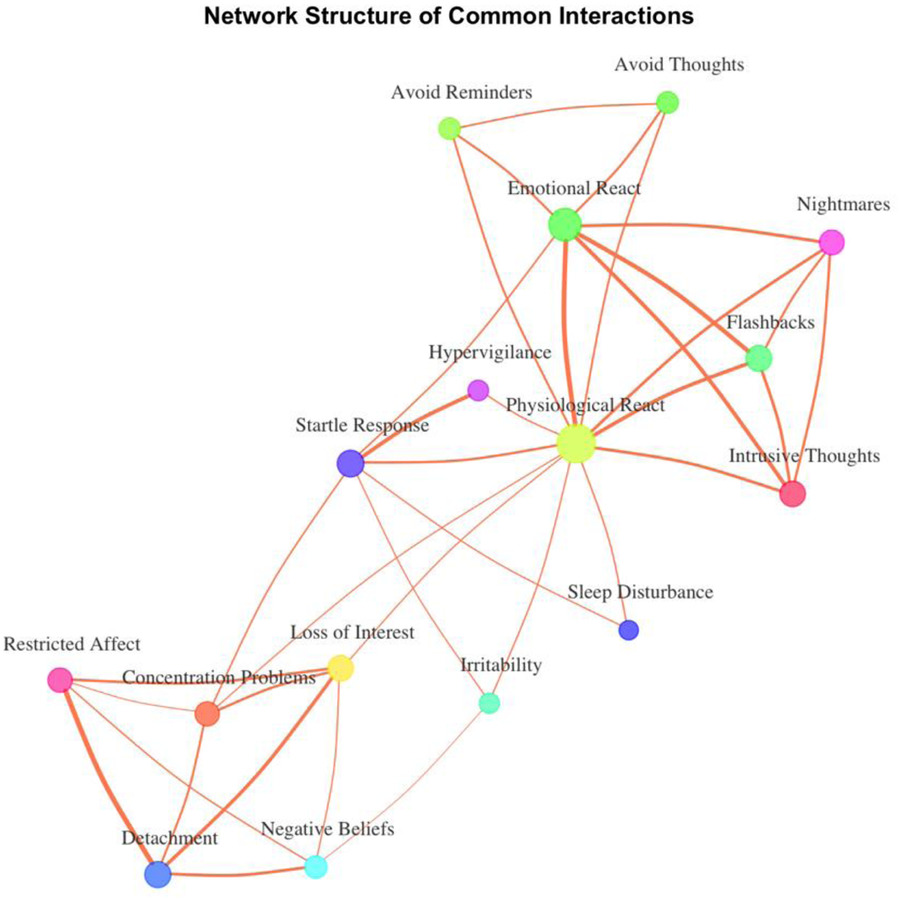
The Nosographic Structure of Posttraumatic Stress Symptoms across Different Types of Trauma: An Exploratory Network Analysis Approach

Abstract The nosographic structure of posttraumatic stress disorder (PTSD) remains unclear, and attempts to determine its symptomatic organization have been unsatisfactory. Several explanations have been suggested, and the impact of trauma type is receiving increasing attention. As little is known about the differential impact trauma type in the nosographic structure of PTSD, we explored the nosology of PTSD and the effect of trauma type on its symptomatic organization. We reanalyzed five cross-sectional psychopathological networks involving different trauma types, encompassing a broad range of traumatic events in veterans, war-related trauma in veterans, sexual abuse, terrorist attacks, and various traumatic events in refugees.
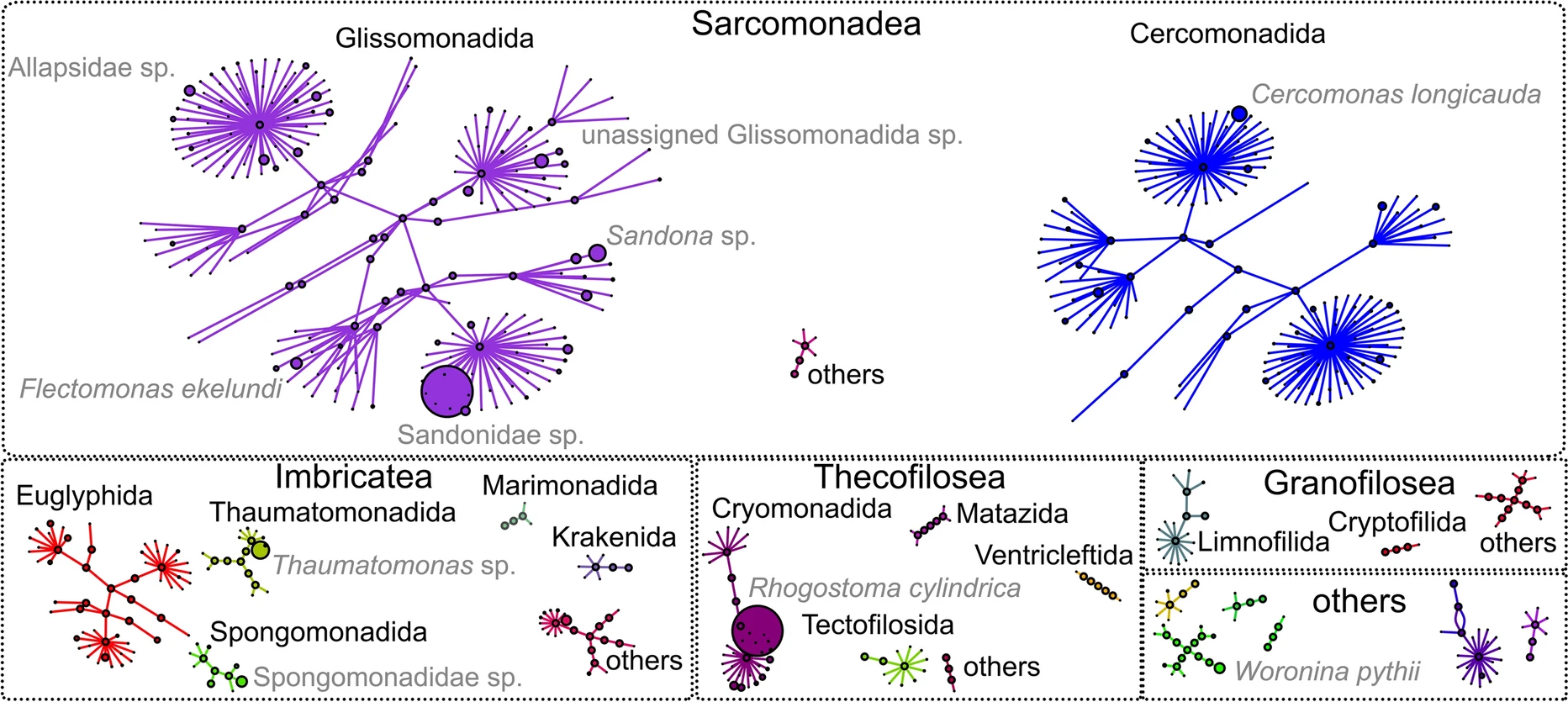
Contrasting protist communities (Cercozoa: Rhizaria) in pristine and earthworm-invaded North American deciduous forests

Abstract Earthworms are considered ecosystem engineers due to their fundamental impact on soil structure, soil processes and on other soil biota. An invasion of non-native earthworm species has altered soils of North America since European settlement, a process currently expanding into still earthworm-free forest ecosystems due to continuous spread and increasing soil temperatures owing to climate change. Although earthworms are known to modify soil microbial diversity and activity, it is as yet unclear how eukaryote consumers in soil microbial food webs will be affected.

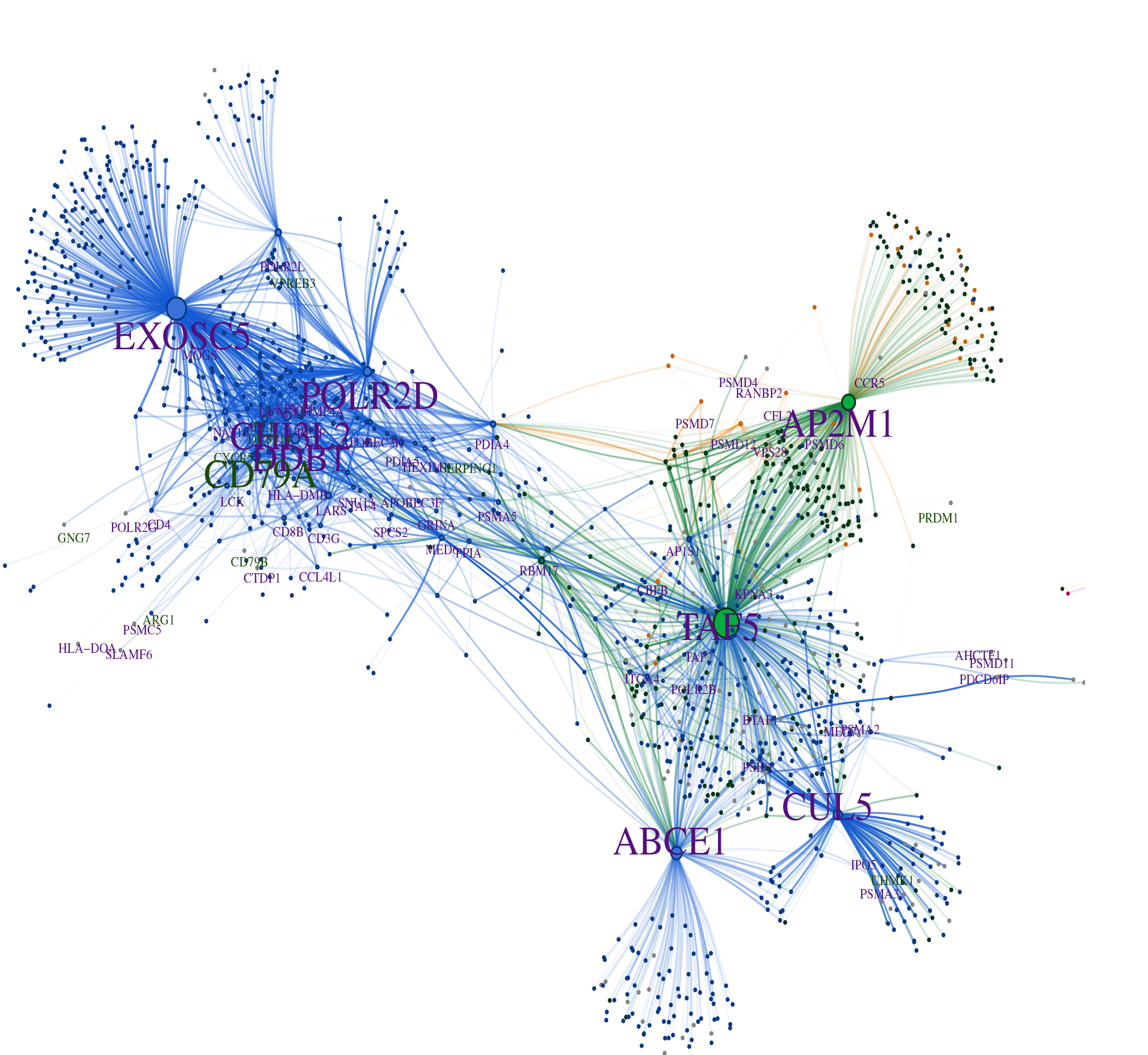
Accelerated evolution of tissue-specific genes mediates divergence amidst gene flow in European green lizards

The European green lizards of the Lacerta viridis complex consist of two closely related species, L. viridis and L. bilineata that split less than 7 million years ago in the presence of gene flow. Recently, a third lineage, referred to as the “Adriatic” was described within the L. viridis complex distributed from Slovenia to Greece.

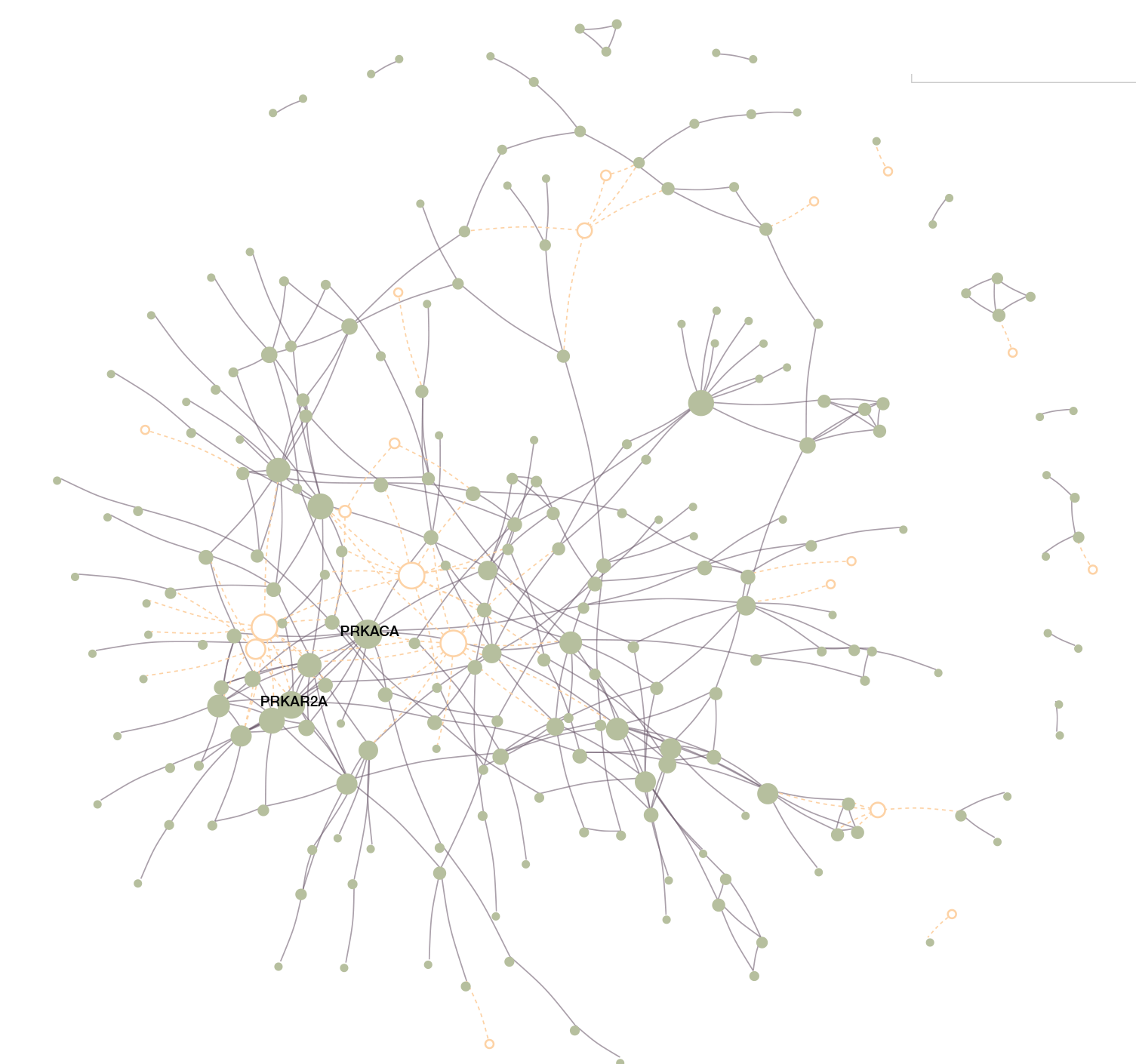
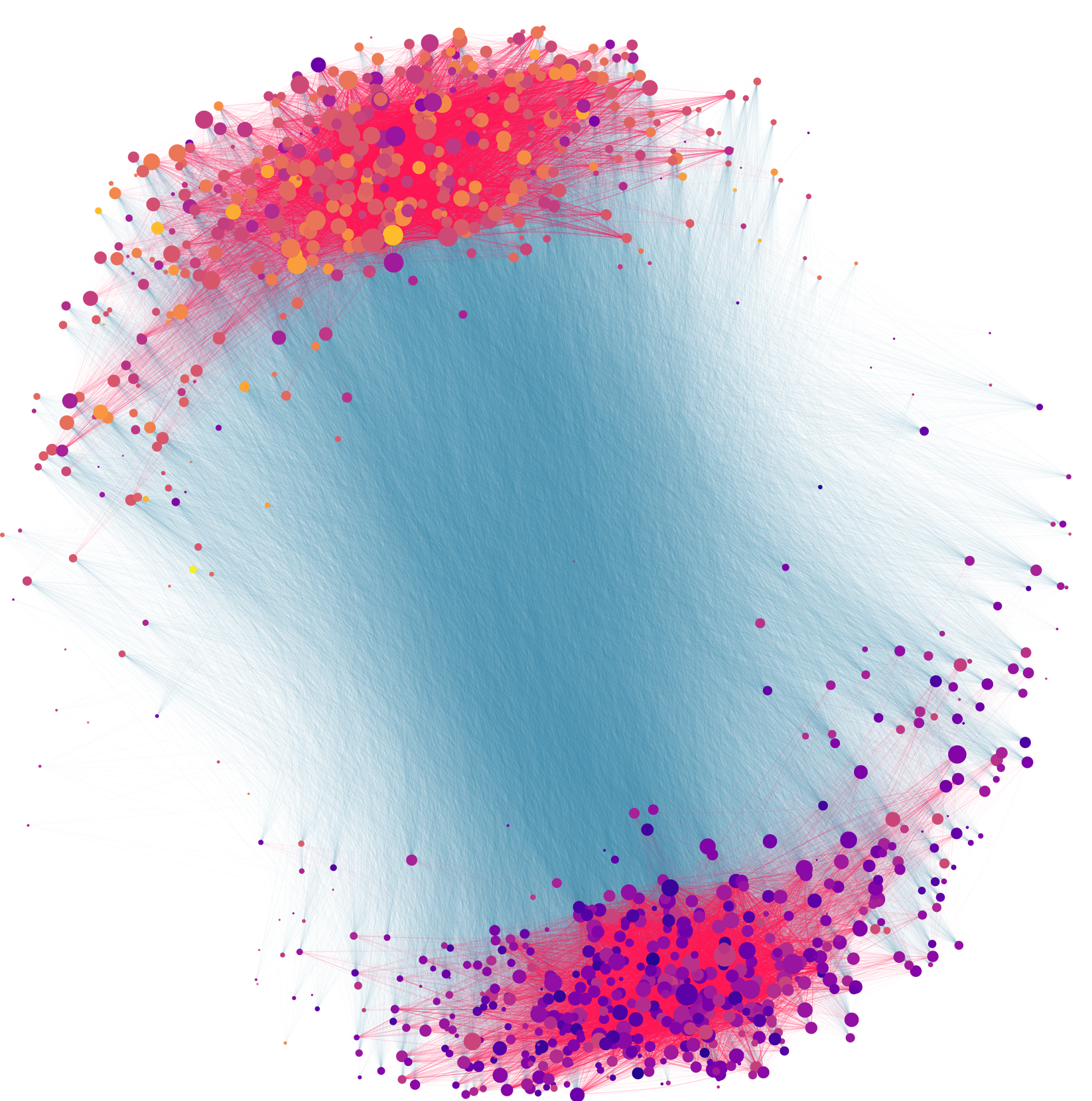
Network medicine framework for identifying drug-repurposing opportunities for COVID-19

The COVID-19 pandemic has highlighted the importance of prioritizing approved drugs to treat severe acute respiratory syndrome coronavirus (SARS-CoV-2) infections. Here, we deployed algorithms relying on artificial intelligence, network diffusion, and network proximity to rank 6,340 drugs for their expected efficacy against SARS-CoV-2.

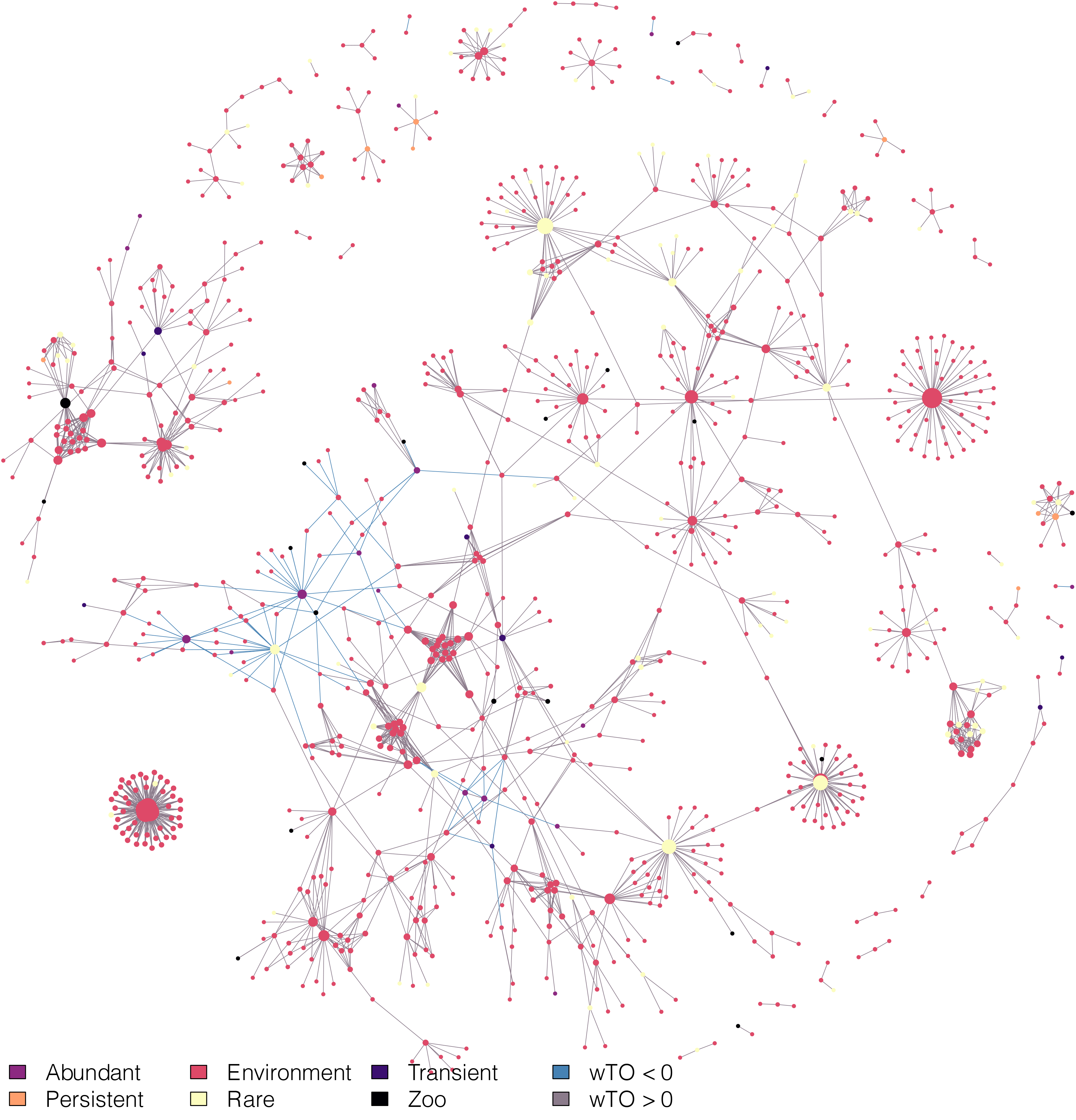
Seasonal dynamics of pelagic mycoplanktonic communities: interplay of taxon abundance, temporal occurrence, and biotic interactions

Marine fungi are an important component of pelagic planktonic communities. However, it is not yet clear how individual fungal taxa are integrated in marine processes of the microbial loop and food webs. Most likely, biotic interactions play a major role in shaping the fungal community structure.

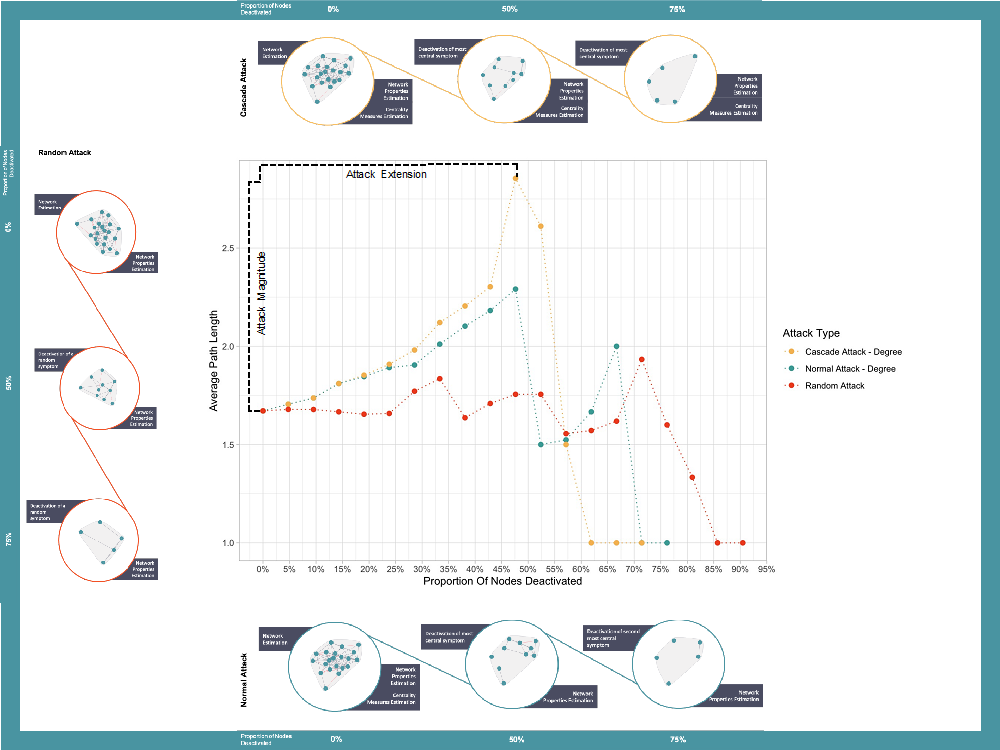
Identifying Treatment Targets in Idiographic Psychopathological Networks: A Simulation Study

Following current trends for precision medicine, psychology has in recent years turned its attention to treatment personalization. Several technological and methodological advances have contributed to this renewed focus on psychology. One of these methodological advances at the center of this push toward precision medicine is network analysis. One of the core propellers of the network theory of psychopathology is the proposal that highly influential symptoms of the network (i.e., central symptoms) might be promising treatment targets. However, evidence for this proposal remains inconclusive, with evidence from idiographic longitudinal assessments lacking. In this study, we explore the impact of symptom deactivation in individual networks (named idiographic networks). We tested two types of symptom deactivation: normal and cascade attack, and five measures for highly influential symptom identification (degree, strength, eigenvector, expected influence, and random attack condition). We find that a cascade degree-based attack is more effective at deactivating the symptom network, we next discuss the implications for treatment personalization and precision psychology.

Honey bee virus causes context-dependent changes in host social behavior

The increase in human population has fueled demand for pollination services; the resulting intensification and globalization of honey bee management has coincided with increased pathogen pressure. We hypothesized that Israeli acute paralysis virus (IAPV) can alter host social behavior, predicting different behavioral changes depending on social context.